
Plantar Fasciitis Brochure
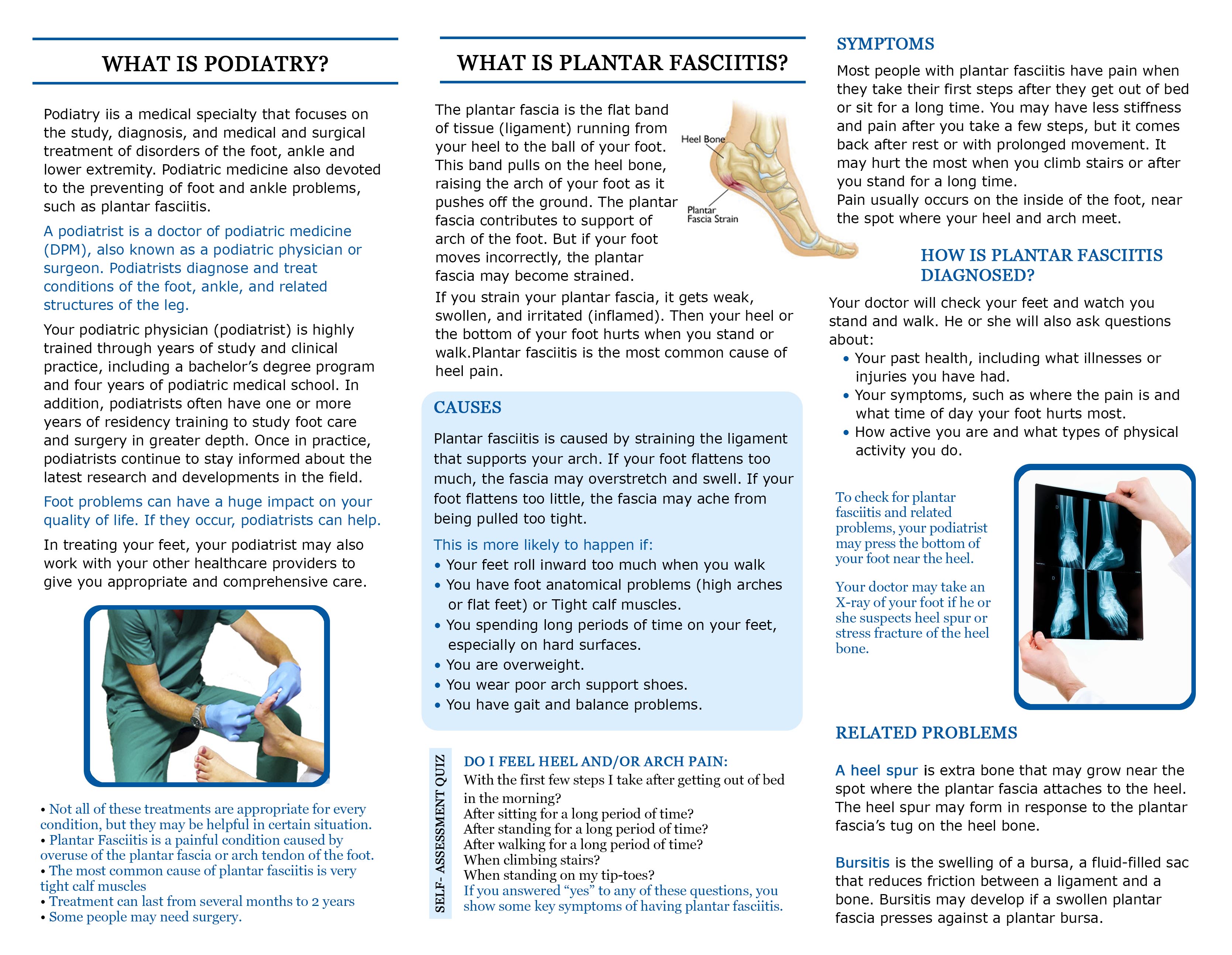
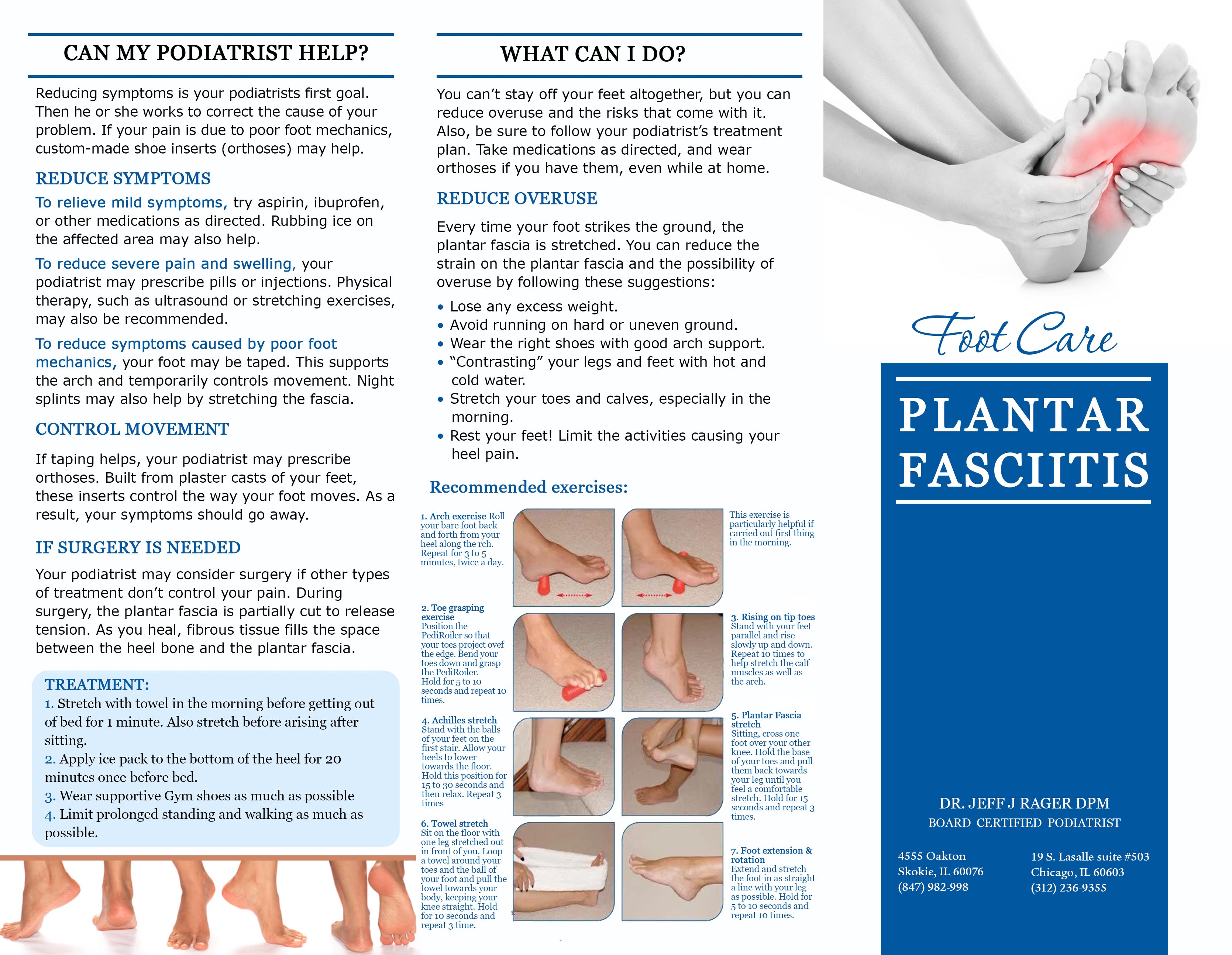
Plantar Fasciitis Brochure - The plantar fascia is a fibrous band of soft tissue that connects the heel bone (calcaneum) to the toes in your foot and help to reinforce the arch of your foot. Plantar fasciitis is an inflammation of the tissue that extends from the heel to the ball of the foot. Plantar fasciitis (or fasciopathy) is a condition of pain and tissue damage at the attachment of the plantar fascia to the underside of the calcaneus (heel bone). Plantar fasciitis is a painful condition of the foot caused by repetitive strain to the plantar fascia. The plantar fascia is a band of collagen tissue that connects between your heel and your toes, supporting the arch of your foot. It is caused by inflammation of the ‘plantar. Plantar fasciitis (common cause of heel pain) what is it? Plantar fasciitis is an inflammation of the band of tissue (the plantar fascia) that extends from the heel to the toes. It provides structural support and stability. Approximately 2 million patients are treated for this condition every year plantar fasciitis. The plantar fascia is a thick fibrous tissue that runs along the bottom of the foot from the heel to the beginning of your toes. Plantar fasciitis is a painful condition of the foot caused by repetitive strain to the plantar fascia. Strengthening exercises for toe flexors, ankle evertors. Plantar fasciitis is an inflammation of the tissue that extends from the heel to the ball of the foot. Plantar fasciitis (common cause of heel pain) what is it? In this condition, the fascia first becomes. Stretching the gastrocnemius and soleus muscles, and especially the plantar fascia, reduces pain and disability in plantar fasciitis. Plantar fasciitis is the most common cause of pain on the bottom of the heel. Just like a joint, the plantar fascia is. It acts like a bow string to stiffen. This is caused by irritation of the plantar fascia — a thickened fibrous band that runs from the heel. Plantar fasciitis (common cause of heel pain) what is it? Plantar fasciitis is a painful condition of the foot caused by repetitive strain to the plantar fascia. This is a fibrous band of soft tissue connecting your heel bone to your. Plantar fasciitis (or fasciopathy) is a condition of pain and tissue damage at the attachment of the plantar fascia to the underside of the calcaneus (heel bone). • plantar fasciitis is the most common cause of heel pain • the plantar fascia is a strong fibrous band of tissue connecting the heel. It is caused by inflammation of the ‘plantar.. Plantar fasciitis is the most common cause of heel pain for which professional care is sought. Plantar fasciitis is a painful condition of the foot caused by repetitive strain to the plantar fascia. • plantar fasciitis is the most common cause of heel pain • the plantar fascia is a strong fibrous band of tissue connecting. Stretching the gastrocnemius and. Plantar fasciitis is an inflammation of the tissue that extends from the heel to the ball of the foot. It refers to inflammation of the plantar fascia, a thick, fibrous band of tissue that begins on the bottom part. Plantar fasciitis (or fasciopathy) is a condition of pain and tissue damage at the attachment of the plantar fascia to the. It provides structural support and stability. Jennifer prewitt, pt, dpt, ocs plantar fascia tips 1. Strengthening exercises for toe flexors, ankle evertors. Stretching the gastrocnemius and soleus muscles, and especially the plantar fascia, reduces pain and disability in plantar fasciitis. It acts like a bow string to stiffen. The plantar fascia is a fibrous band of soft tissue that connects the heel bone (calcaneum) to the toes in your foot and help to reinforce the arch of your foot. It is caused by inflammation of the ‘plantar. It acts like a bow string to stiffen. It provides structural support and stability. In this condition, the fascia first becomes. It acts like a bow string to stiffen. Plantar fasciitis is the most common cause of pain on the bottom of the heel. Jennifer prewitt, pt, dpt, ocs plantar fascia tips 1. Strengthening exercises for toe flexors, ankle evertors. Achilles tendon and plantar fascia stretch first thing in the morning, loop a towel a piece of elastic or a tubigrip. Achilles tendon and plantar fascia stretch first thing in the morning, loop a towel a piece of elastic or a tubigrip around the ball of your foot and, keeping your knee. Approximately 2 million patients are treated for this condition every year plantar fasciitis. Plantar fasciitis is a painful condition of the foot caused by repetitive strain to the plantar. Achilles tendon and plantar fascia stretch first thing in the morning, loop a towel a piece of elastic or a tubigrip around the ball of your foot and, keeping your knee. This is a fibrous band of soft tissue connecting your heel bone to your toes. Plantar fasciitis (common cause of heel pain) what is it? Jennifer prewitt, pt, dpt,. This is a fibrous band of soft tissue connecting your heel bone to your toes. This is caused by irritation of the plantar fascia — a thickened fibrous band that runs from the heel. Plantar fasciitis is caused by a strain of the ligaments in an area of the foot called the. Plantar fasciitis (common cause of heel pain) what. Plantar fasciitis is a common foot condition that causes pain in the heel, across the sole of the foot and sometimes into the arch area of the foot too. This is a fibrous band of soft tissue connecting your heel bone to your toes. It provides structural support and stability. It acts like a bow string to stiffen. Plantar fasciitis (common cause of heel pain) what is it? Plantar fasciitis is the most common cause of heel pain for which professional care is sought. Plantar fasciitis (or fasciopathy) is a condition of pain and tissue damage at the attachment of the plantar fascia to the underside of the calcaneus (heel bone). Plantar fasciitis is an inflammation of the tissue that extends from the heel to the ball of the foot. Jennifer prewitt, pt, dpt, ocs plantar fascia tips 1. Approximately 2 million patients are treated for this condition every year plantar fasciitis. Strengthening exercises for toe flexors, ankle evertors. It is caused by inflammation of the ‘plantar. Plantar fasciitis is caused by a strain of the ligaments in an area of the foot called the. It refers to inflammation of the plantar fascia, a thick, fibrous band of tissue that begins on the bottom part. The plantar fascia absorbs the stresses placed on the foot during walking, running, and. A growing body of research supports that overload of soft tissues (muscle, fascia) is.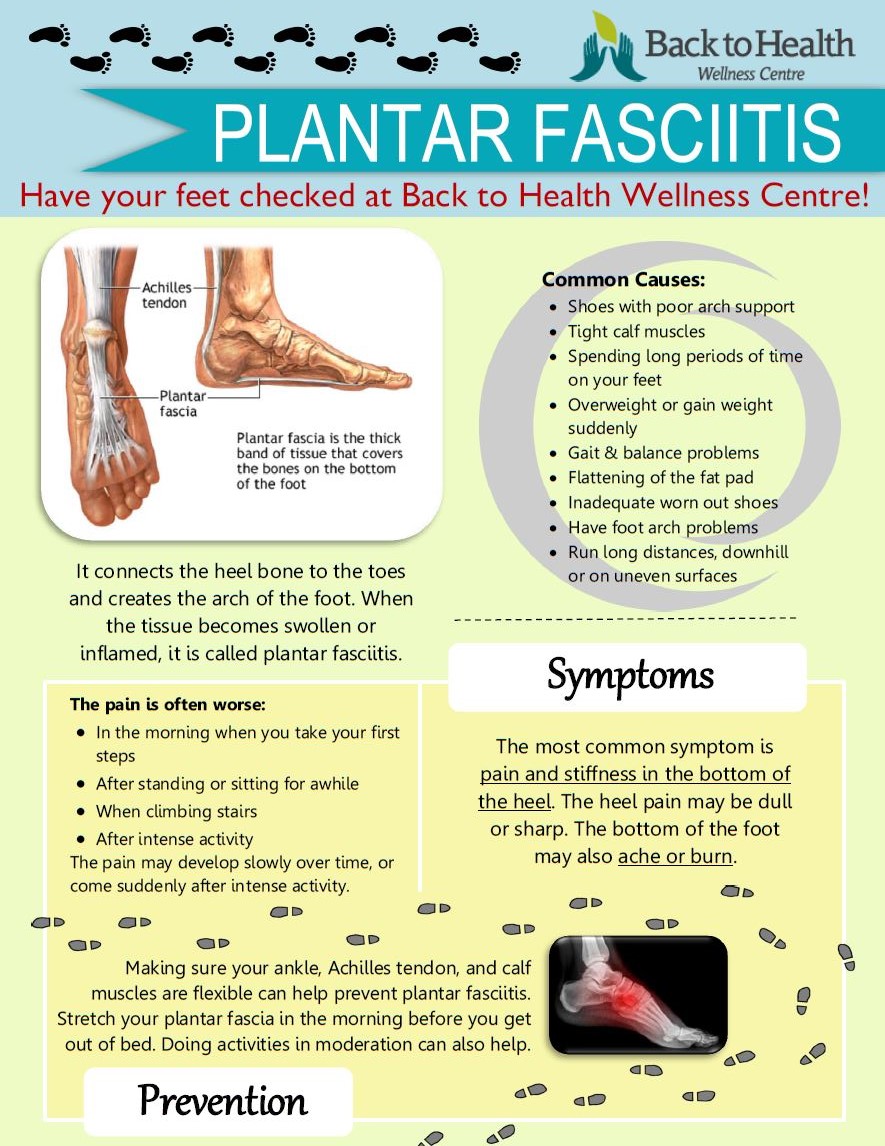
Plantar Fasciitis — Back to Health Wellness Centre

Arthritis/Plantar Fasciitis (US) Poster
![[DIAGRAM] Diagram Of Plantar Fasciitis](https://www.piedmont.org/media/BlogImages/PlantarFasciitisInfographic.jpg)
[DIAGRAM] Diagram Of Plantar Fasciitis
Plantar fasciitis brochure » Megatron Print

Plantar Fasciitis Cause, Treatment and Exercise Dr. Nikhil Likhate

Plantar Fasciitis

Plantar Fasciitis TFC Podiatry

Plantar Fasciitis Brochure Kintec
Plantar fasciitis brochure » Megatron Print

Understanding Plantar Fascia Symptoms, Causes, and Treatment
• Plantar Fasciitis Is The Most Common Cause Of Heel Pain • The Plantar Fascia Is A Strong Fibrous Band Of Tissue Connecting.
The Plantar Fascia Is A Fibrous Band Of Soft Tissue That Connects The Heel Bone (Calcaneum) To The Toes In Your Foot And Help To Reinforce The Arch Of Your Foot.
Plantar Fasciitis Is The Most Common Cause Of Pain On The Bottom Of The Heel.
This Is Caused By Irritation Of The Plantar Fascia — A Thickened Fibrous Band That Runs From The Heel.
Related Post: