
Photosynthesis Brochure
Photosynthesis Brochure - That energy can then be utilized by the. Photosynthesis and cellular respiration help drive the carbon cycle on earth, where carbon circulates between the atmosphere, biosphere, hydrosphere and geosphere. It provides oxygen for most living creatures and is important for life on earth. Between plants and an where do plants get the ingredients they need? Photosynthesis plant cell oxygen released. Plants absorb rainwater through their. Students will be able to construct a brochure detailing how photosynthesis & cellular respiration are related to each other and how the structure of each organelle involved is. This process is called photosynthesis. Photosynthesis is a process where plants make their own food using carbon dioxide, water, and sunlight to produce water, oxygen, and sugar (glucose). Nadph is an electron and hydrogen carrier for cellular respiration. Photosynthesis is a process where plants make their own food using carbon dioxide, water, and sunlight to produce water, oxygen, and sugar (glucose). What do plants need for photosynthesis? Light shining down from the sun is absorbed by the plant’s cells. Download photosynthesis brochure design templates today. Give your class a quick review of photosynthesis and briefly remind them why we are doing this experiment • place students into their original groups. It is possible to improve the photosynthetic traits and nutrition value of key crops simultaneously. It provides oxygen for most living creatures and is important for life on earth. Students will be able to construct a brochure detailing how photosynthesis & cellular respiration are related to each other and how the structure of each organelle involved is. During cellular respiration, glycolysis can be. What do plants need for photosynthesis? That energy can then be utilized by the. Why do plants go through photosynthesis? Challenges related to food, energy and the climate can be directly addressed. It is possible to improve the photosynthetic traits and nutrition value of key crops simultaneously. Plants use light energy from the sun to produce the food they need to survive. Photosynthesis is a critical process that makes life on. All our food and our fossil and biological fuels (biomass) are derived from the process of photosynthesis, both past and present. Students will be able to construct a brochure detailing how photosynthesis & cellular respiration are related to each other and how the structure of each organelle involved is. During cellular. Photosynthesis plant cell oxygen released. During cellular respiration, glycolysis can be. Plants absorb rainwater through their. Photosynthesis is a critical process that makes life on. Carbon dioxide and water (energy poor) animal cell plants and animals mitochondria cellular respiration glucose (energy rich) oxygen. Students will be able to construct a brochure detailing how photosynthesis & cellular respiration are related to each other and how the structure of each organelle involved is. Photosynthesis and cellular respiration help drive the carbon cycle on earth, where carbon circulates between the atmosphere, biosphere, hydrosphere and geosphere. Photosynthesis is the process by which plants make food with energy. Why do plants go through photosynthesis? Learn about the process that plants, algae, and some bacteria use to make their own food and the oxygen we breathe. Photosynthesis occurs in the stroma and thylakoid found in the chloroplast. Ask them to remove all paper squares. Each of our photosynthesis brochure templates is ready for edit and print. Photosynthesis is a process where plants make their own food using carbon dioxide, water, and sunlight to produce water, oxygen, and sugar (glucose). This process is called photosynthesis. Where do plants get the ingredients. That energy can then be utilized by the. The process has two stages. Nadph is an electron and hydrogen carrier for cellular respiration. Plants take the light energy from the sun and convert it into chemical. Learn about the process that plants, algae, and some bacteria use to make their own food and the oxygen we breathe. Where do plants get the ingredients. That energy can then be utilized by the. It is possible to improve the photosynthetic traits and nutrition value of key crops simultaneously. Photosynthesis is a critical process that makes life on. All our food and our fossil and biological fuels (biomass) are derived from the process of photosynthesis, both past and present. During cellular respiration, glycolysis can be. What do plants need for photosynthesis? Photosynthesis is a process where plants make their own food using carbon dioxide, water, and sunlight to produce water, oxygen, and sugar (glucose). Photosynthesis is a critical process that makes life on. The process has two stages. It is possible to improve the photosynthetic traits and nutrition value of key crops simultaneously. Learn about the process that plants, algae, and. Between plants and an where do plants get the ingredients they need? Each of our photosynthesis brochure templates is ready for edit and print. Give your class a quick review of photosynthesis and briefly remind them why we are doing this experiment • place students into their original groups. This process is called photosynthesis. Plants use light energy from the. Photosynthesis and cellular respiration help drive the carbon cycle on earth, where carbon circulates between the atmosphere, biosphere, hydrosphere and geosphere. What do plants need for photosynthesis? Light shining down from the sun is absorbed by the plant’s cells. Students will be able to construct a brochure detailing how photosynthesis & cellular respiration are related to each other and how the structure of each organelle involved is. Photosynthesis is a critical process that makes life on. During cellular respiration, glycolysis can be. What do plants need for photosynthesis? Each of our photosynthesis brochure templates is ready for edit and print. Between plants and an where do plants get the ingredients they need? Photosynthesis is a process where plants make their own food using carbon dioxide, water, and sunlight to produce water, oxygen, and sugar (glucose). Photosynthesis plant cell oxygen released. Plants use light energy from the sun to produce the food they need to survive. Photosynthesis uses water, sunlight, and carbon dioxide to produce food for plants. Challenges related to food, energy and the climate can be directly addressed. Nadph is an electron and hydrogen carrier for cellular respiration. All our food and our fossil and biological fuels (biomass) are derived from the process of photosynthesis, both past and present.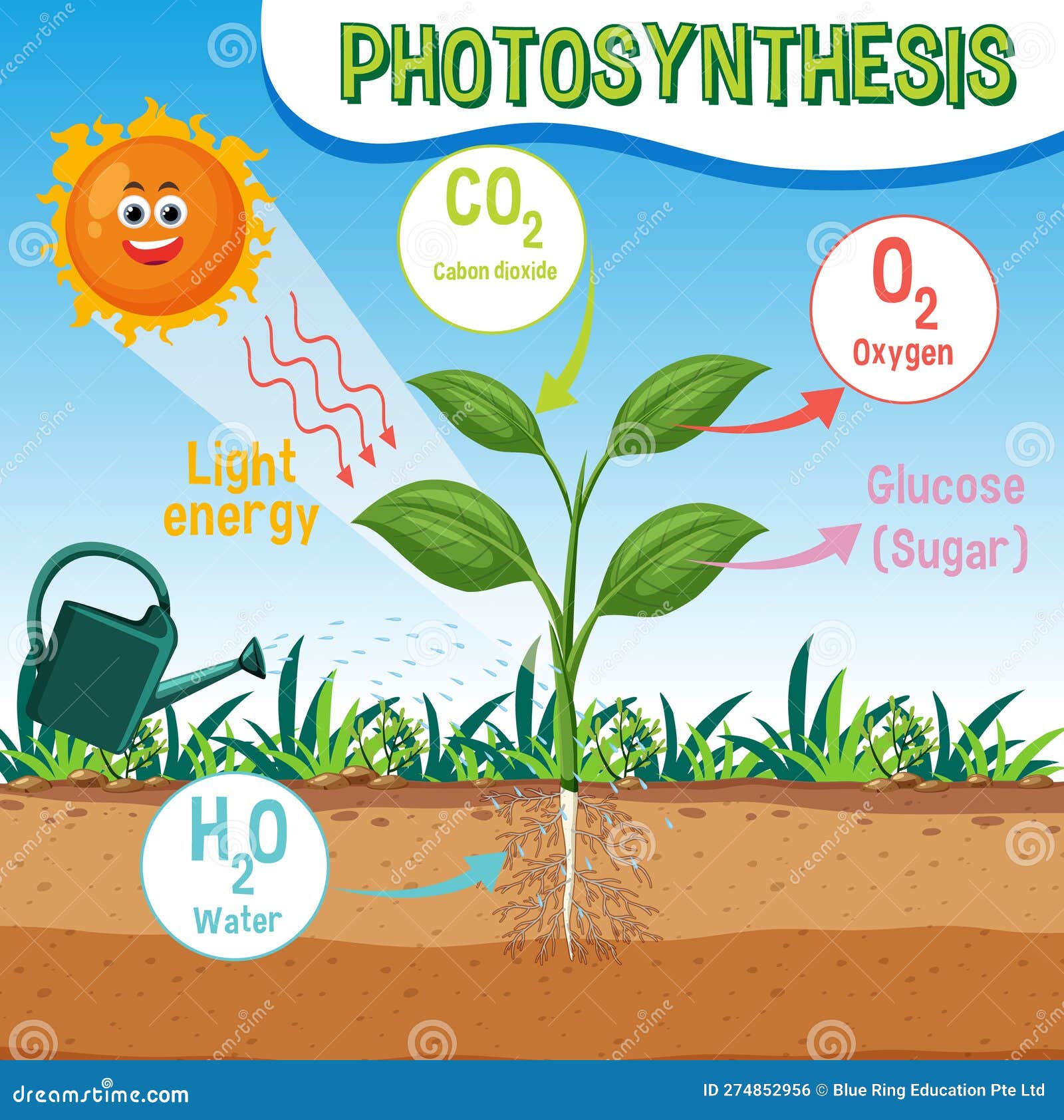
Diagram of Photosynthesis for Biology and Life Science Education Stock
Brochure Performance task PDF Photosynthesis Natural Environment
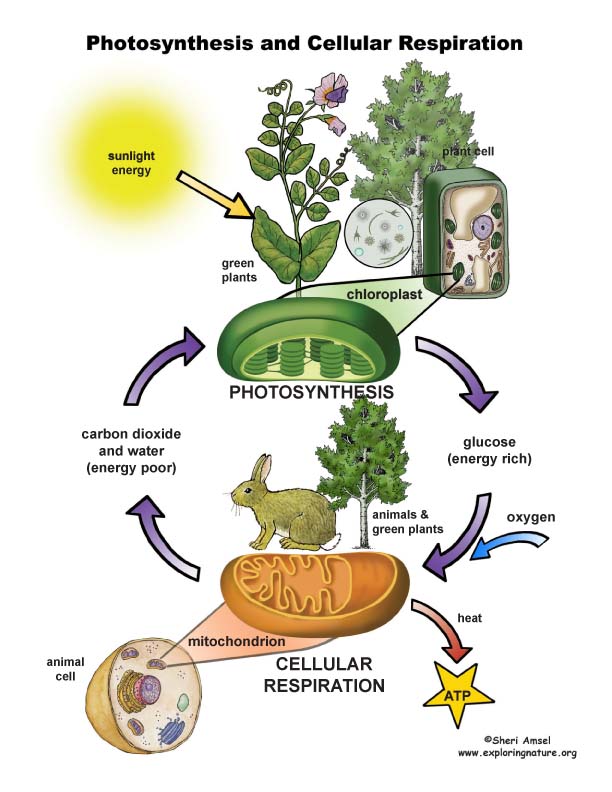
Photosynthesis and Cellular Respiration Poster

PHOTOSYNTHESIS Brochure Reflection Areli Gonzalez's Digital Portofolio

PHOTOSYNTHESIS Brochure Reflection Areli Gonzalez's Digital Portofolio

Photosynthesis & Respiration Poster Laminated NewPath Learning

Photosynthesis Process in Plants Infographic Template Venngage
Photosynthesis Brochure PDF

Photosynthesis Brochure Joseph Fuentes DVS Digital Portfolio

Photosynthesis is the process that allows solar energy to be converted
It Provides Oxygen For Most Living Creatures And Is Important For Life On Earth.
Download Photosynthesis Brochure Design Templates Today.
Photosynthetic Organisms Such As Plants And Algae Form The Basis Of These Webs By Converting Sunlight, Water, And Carbon Dioxide Into Usable Energy.
Photosynthesis Is The Process By Which Plants Make Food With Energy From Sunlight, Carbon Dioxide, And Water.
Related Post:

