
Caffeine Brochure
Caffeine Brochure - But too much caffeine (>600mg/day) can produce anxiety, sleeplessness, agitation,. Read product packaging carefully to rat out hidden caffeine—because sometimes a bar should just be a bar! Te most common sources are coffee , tea leaves, cocoa beans, cola and energy. Caffeine is safe in moderate amounts, but excessive intake, especially from supplements or in children, can pose serious health risks. • most people take in caffeine through coffee or energy drinks but it can also be found in foods such as, coffee ice. Caffeine is a bitter substance found in a variety of food products, including coffee, tea, soft drinks, energy beverages, chocolate, and certain medications (1). Learn the typical amounts of caffeine in. It talks about what caffeine is, amounts in common drinks, caffeine sensitivity, cutting back and side. Understand how caffeine is metabolized by the body, and the physiological response to caffeine. From reproductive effects to osteoporosis, scientists worldwide have studied the effects of caffeine on women’s health. Caffeine is the world’s most popular drug. Te most common sources are coffee , tea leaves, cocoa beans, cola and energy. This is a brochure that describes caffeine to the middle school or high school student. Here’s how the caffeine stacks up in some popular espresso drinks at starbucks, listed from least to most caffeine: Most people take in caffeine through coffee, tea or energy drinks but it can also be found in foods such as,. Each caffeine powder brochure includes the following information: This can affect your mood or worsen. The caffeine content in matcha can vary widely based on factors like its quality and brewing method. Even 5 mg might be too much. For example, popular kombucha brands like gt's synergy kombucha contain anywhere from 4 to 8 mg of caffeine, depending on the flavor. Naturally occurring caffeine can be found in. Caffeine is safe in moderate amounts, but excessive intake, especially from supplements or in children, can pose serious health risks. You will also learn how much caffeine is in certain foods and drinks. The caffeine content in matcha can vary widely based on factors like its quality and brewing method. Caffeine is a. Caffeine is a bitter substance found in a variety of food products, including coffee, tea, soft drinks, energy beverages, chocolate, and certain medications.1 caffeine is currently the most. While the caffeine in matcha may improve attention, thinking skills, and. Caffeine is safe in moderate amounts, but excessive intake, especially from supplements or in children, can pose serious health risks. Uses,. • consuming caffeine after late morning can impact the amount and quality of your sleep. Te most common sources are coffee , tea leaves, cocoa beans, cola and energy. • having too much caffeine per day can take a toll on your health. Learn the typical amounts of caffeine in. Caffeine is a central nervous system and metabolic stimulant, and. Naturally occurring caffeine can be found in. It can also be synthetically produced. Even 5 mg might be too much. Learn the typical amounts of caffeine in. This can affect your mood or worsen. Most people take in caffeine through coffee, tea or energy drinks but it can also be found in foods such as,. Caffeine is a bitter substance found in a variety of food products, including coffee, tea, soft drinks, energy beverages, chocolate, and certain medications (1). Understand how caffeine is metabolized by the body, and the physiological response to caffeine. For. This can affect your mood or worsen. Each caffeine powder brochure includes the following information: Check with your healthcare provider. • most people take in caffeine through coffee or energy drinks but it can also be found in foods such as, coffee ice. Caffeine can increase mental alertness and make you feel more energetic. Caffeine is an addictive substance that can come from over 50 types of plants. Caffeine is safe in moderate amounts, but excessive intake, especially from supplements or in children, can pose serious health risks. Naturally occurring caffeine can be found in. Explains what caffeine powder is and how it is packaged; People with extreme caffeine sensitivity: Each caffeine powder brochure includes the following information: People with extreme caffeine sensitivity: This fact sheet reviews the latest research on caffeine and. The caffeine content in matcha can vary widely based on factors like its quality and brewing method. From reproductive effects to osteoporosis, scientists worldwide have studied the effects of caffeine on women’s health. Understand how caffeine is metabolized by the body, and the physiological response to caffeine. Te most common sources are coffee , tea leaves, cocoa beans, cola and energy. Caffeine can increase mental alertness and make you feel more energetic. 100 ml oat milk or your favorite milk sweetener of your choice optional, to taste; Naturally occurring caffeine can be found. Discuss history of caffeine, its sources and uses. Caffeine is a central nervous system and metabolic stimulant, and is used both recreationally and medically to reduce physical fatigue and restore mental alertness when unusual weakness or. People with extreme caffeine sensitivity: Te most common sources are coffee , tea leaves, cocoa beans, cola and energy. Caffeine can increase mental alertness. Even 5 mg might be too much. If you're using caffeine to boost mental and physical performance, read this handout from opss to learn more. Explains what caffeine powder is and how it is packaged; Caffeine has a direct effect on the brain and central. Here’s how the caffeine stacks up in some popular espresso drinks at starbucks, listed from least to most caffeine: You will also learn how much caffeine is in certain foods and drinks. People with extreme caffeine sensitivity: • having too much caffeine per day can take a toll on your health. Read product packaging carefully to rat out hidden caffeine—because sometimes a bar should just be a bar! Caffeine is an addictive substance that can come from over 50 types of plants. It can also be synthetically produced. Te most common sources are coffee , tea leaves, cocoa beans, cola and energy. Caffeine is the world’s most popular drug. Discuss history of caffeine, its sources and uses. However, if synthetic caffeine is added to a food, it must be included in the listing of ingredients on the product label. • consuming caffeine after late morning can impact the amount and quality of your sleep.
Caffeine Everything You Need to Know to Balance Your “Buzz” Food Insight
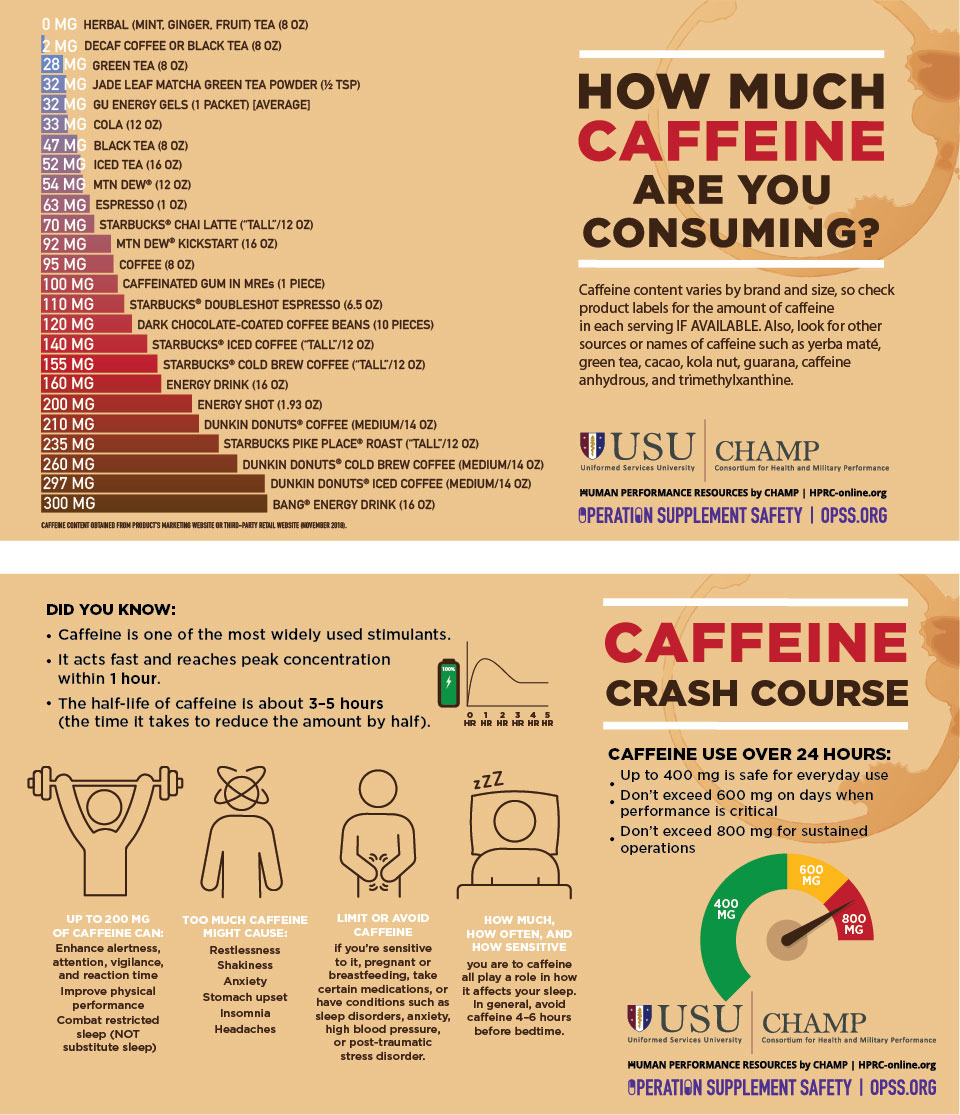
Caffeine facts HPRC

coffee shop tri fold brochure on Behance
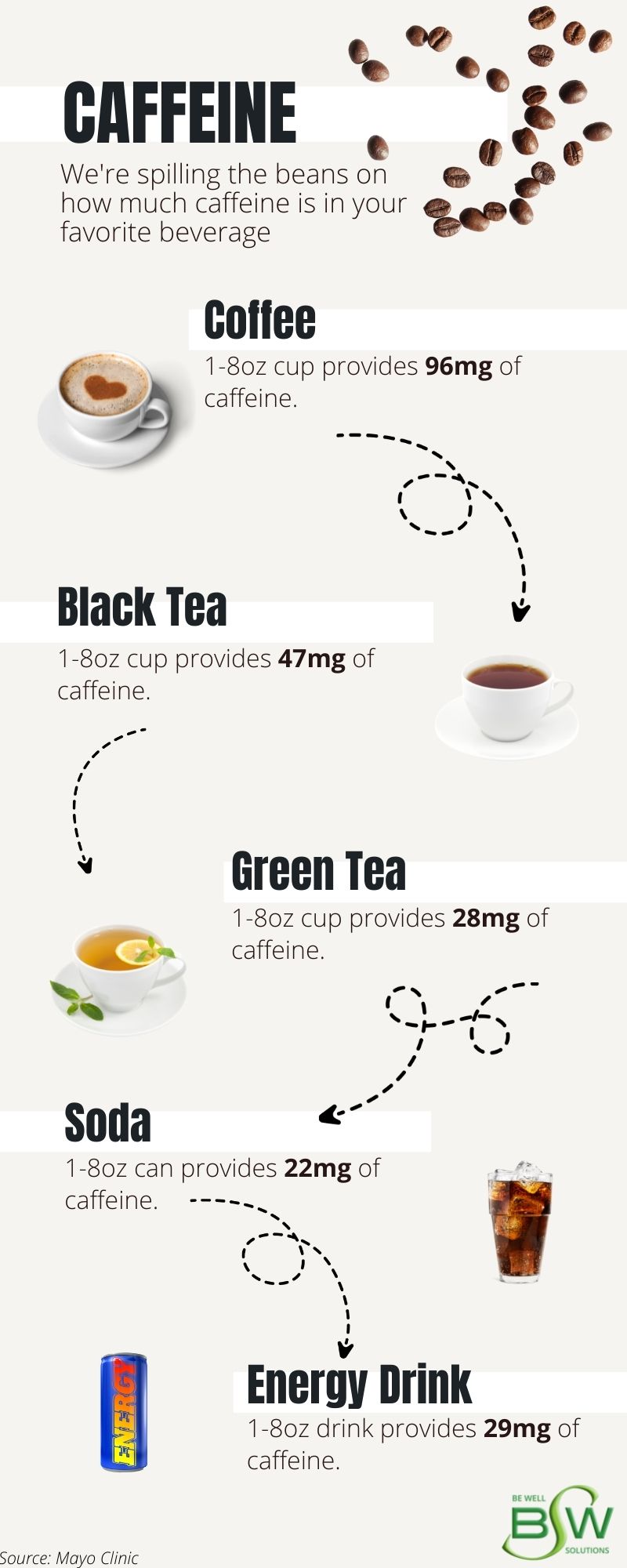
Caffeine and Health Be Well Solutions
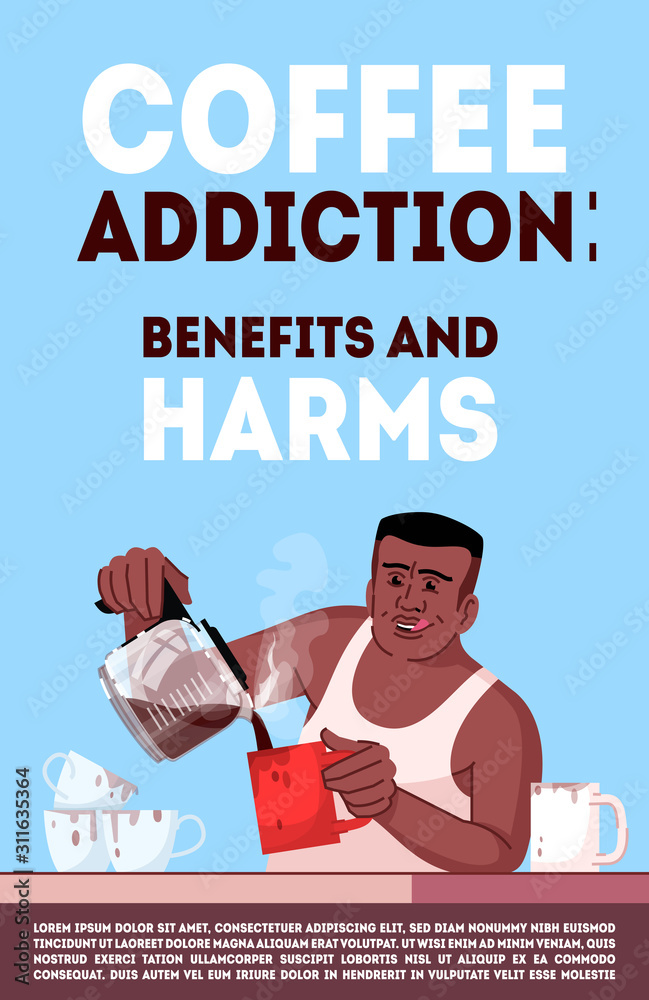
Coffee addiction benefits and harms poster vector template. Caffeine

Caffeine Poster — Cool Infographics
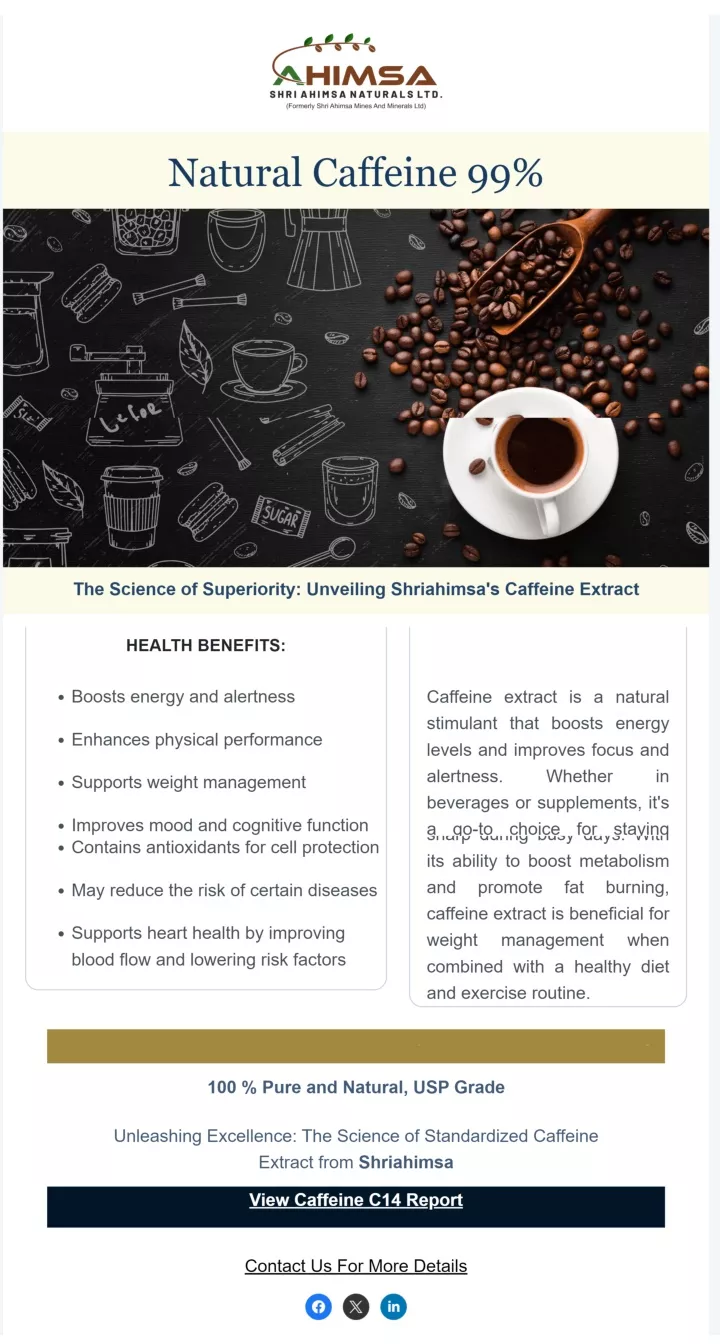
PPT Natural Caffeine Brochure PowerPoint Presentation, free download
Caffeine Brochure 121120 PDF Caffeine Testing

How caffeine works… in plain english Chuba Oyolu's Portfolio
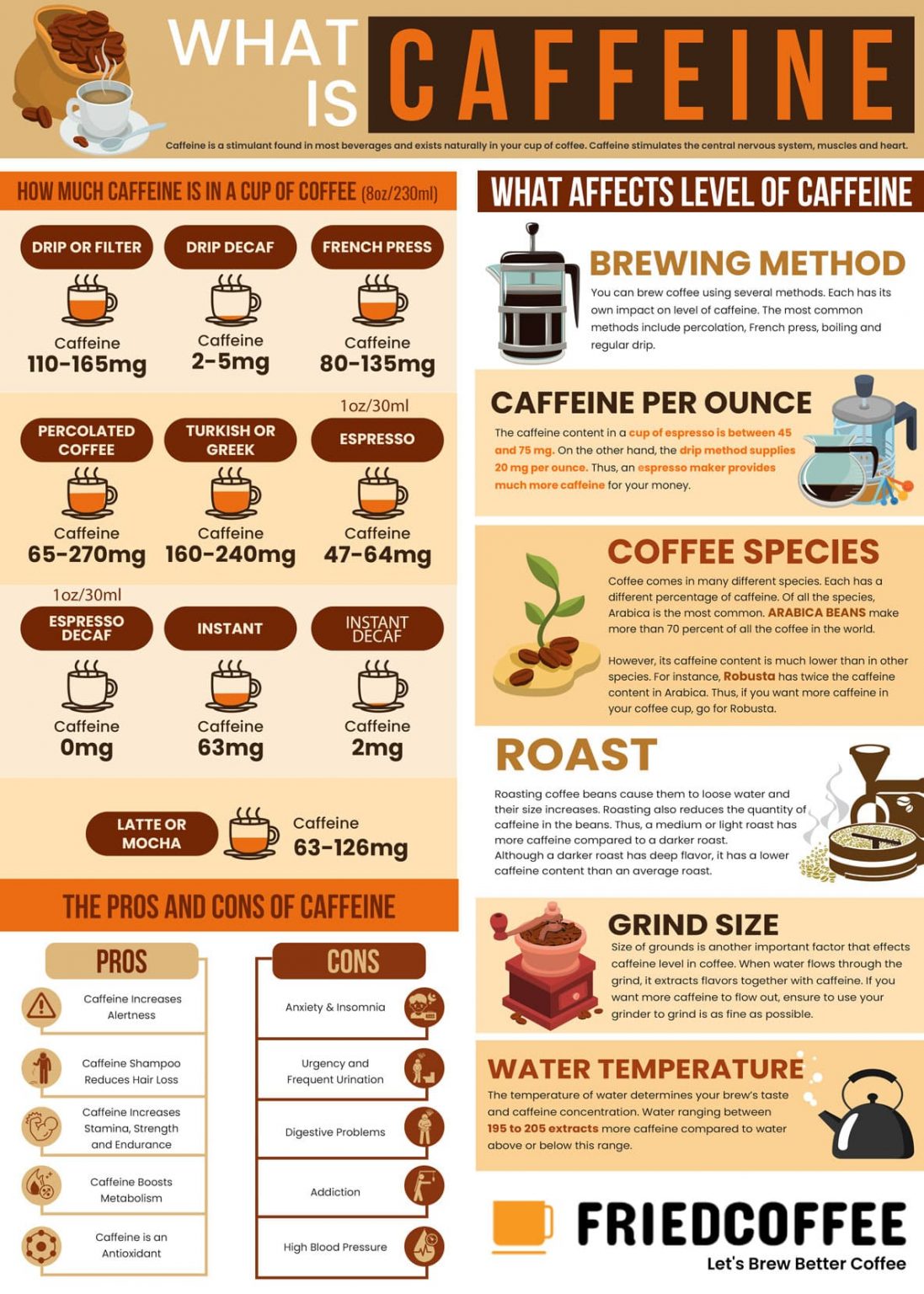
Caffeine Intake Chart
1.5 Tsp Hojicha Powder 50 Ml Hot Water;
Check With Your Healthcare Provider.
From Reproductive Effects To Osteoporosis, Scientists Worldwide Have Studied The Effects Of Caffeine On Women’s Health.
This Can Affect Your Mood Or Worsen.
Related Post:
